The Story of Minglan: the zhaidou drama the genre still measures itself against
A concubine's daughter learns to hide how clever she is, then builds a household of her own — the 73-episode Song-dynasty family drama that won a Golden Eagle and defined zhaidou (household-intrigue drama) on television.
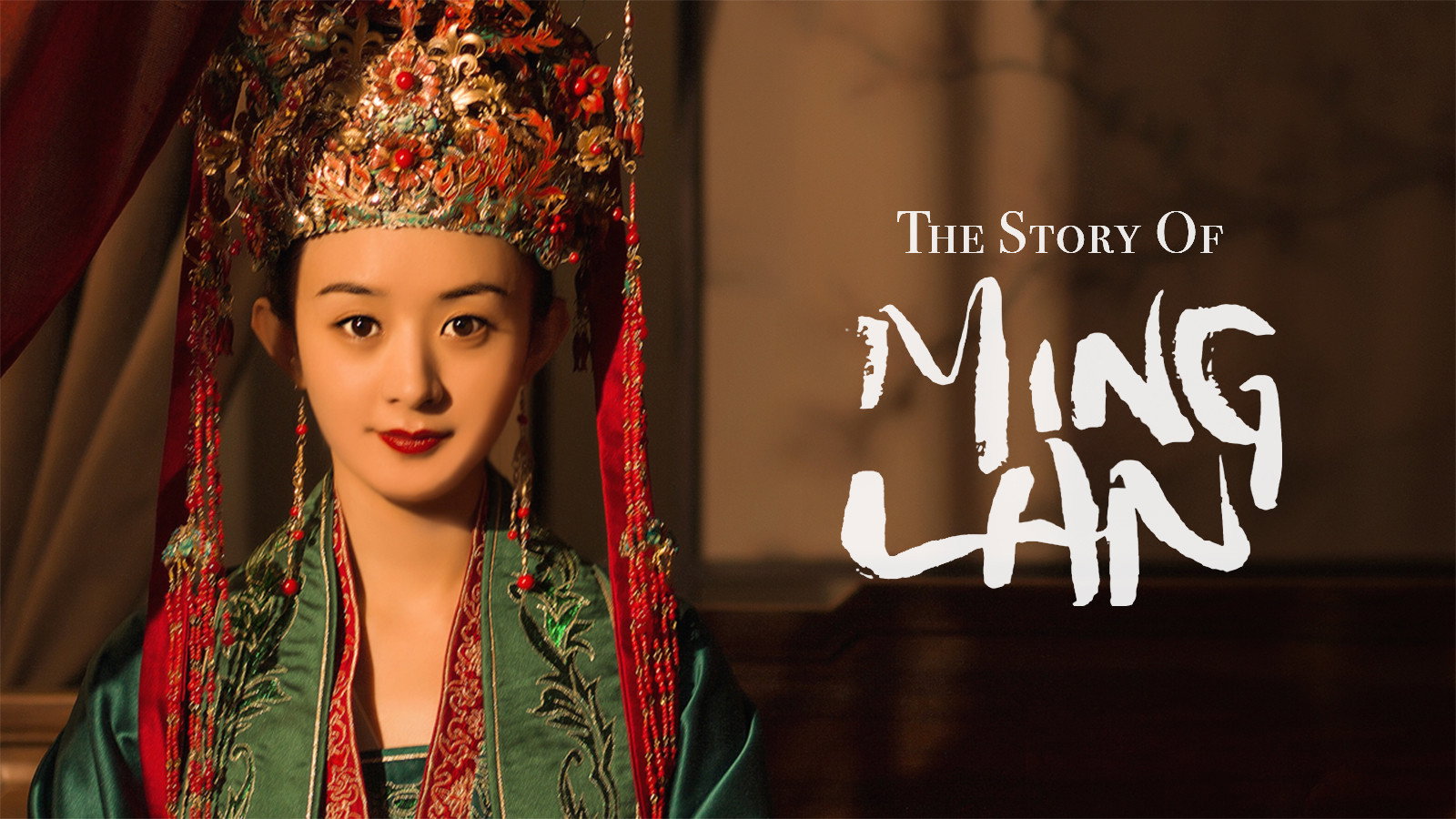
2018 · Hunan TV · Zhao Liying (赵丽颖), Feng Shaofeng (冯绍峰), Zhu Yilong (朱一龙)
Why this one
The Story of Minglan (知否知否应是绿肥红瘦) is the drama most often used as the reference point for zhaidou (宅斗, household intrigue): stories in which the battlefield is not the palace or the court but the inner compound of a single family, and the weapons are marriage arrangements, household management, and inheritance. It premiered on Hunan TV on December 25, 2018, and ran 73 episodes. It holds an 8.1 on Douban, and it won Outstanding Television Series at the China TV Golden Eagle Awards, with Zhao Liying (赵丽颖) taking the Audience's Choice for Actress there. It also placed among the Top Ten Television Series at the Baidu Fudian Awards.
The setup
The story is set in the Northern Song dynasty. Sheng Minglan (盛明兰) is the daughter of a concubine (shunü, 庶女), which means she is the lowest-ranked kind of daughter in her family's hierarchy. After she sees what happens to her mother, she learns to hide how intelligent she is. She is initially drawn to Qi Heng (齐衡), the son of the Duke of Qi, and eventually marries Gu Tingye (顾廷烨), a military official. The rest of the story follows the two of them as they manage family conflicts and political intrigue, run a household together, and work toward avenging her mother's death.
Note — zhaidou and shunü: The genre's central figure is often the shunü, a daughter born to a concubine rather than to the principal wife, who has less status than her half-sisters and has to make a place for herself with far fewer resources. This is why zhaidou heroines tend to be observers first: their survival depends on reading a room. It also explains why the genre is preoccupied with marriage. In a world where a woman's future is decided largely by who she marries, choosing a spouse and defending a household are not side plots but the main line of action.
Why it works as a template
The show was adapted from the novel of the same name by Guanxin Zeluan (关心则乱), and it is directed by Zhang Kaizhou (张开宙) from a screenplay by Zeng Lu and Wu Tong. Compare it with the palace dramas elsewhere in this column. In Empresses in the Palace or Ruyi's Royal Love in the Palace, the stakes are the emperor's favor and the throne. In Minglan, the stakes are smaller and closer: who runs the household, who marries whom, how a family's reputation is managed, and what a woman can keep for herself. Because the scale is domestic, the conflicts are concrete, and the show can spend time on the texture of daily life (meals, gifts, clothing, servants) that a court drama does not have room for.
That is also why zhaidou is a productive way in for newcomers to costume drama. You do not need to know anything about imperial politics to understand why a mother-in-law's approval matters, or why a marriage proposal is a negotiation between two families.
Cast and crew worth knowing
-
Zhao Liying (赵丽颖) as Sheng Minglan. She also leads The Journey of Flower and The Legend of Shen Li, both covered on this site, which makes this the middle point of a very varied run of roles.
-
Feng Shaofeng (冯绍峰) as Gu Tingye, and Zhu Yilong (朱一龙) as Qi Heng.
-
Directed by Zhang Kaizhou, with filming at Hengdian World Studios, Jiaxing, and Wuxi.
-
73 episodes (some listings give 78, reflecting different cuts).
Where to watch
Availability varies by region; check current listings for English subtitle support.
Its echo outside China
The zhaidou label is one of the most useful pieces of vocabulary for reading Chinese drama fandom, because it names a genre that English-language coverage often files under generic "historical romance." Once you know the term, a large part of the costume-drama catalogue reorganizes itself: some shows are about the palace, some about the court, some about the household, and The Story of Minglan is the reference point for the last of these.
Want to talk about this? Join the conversation on our Discord →